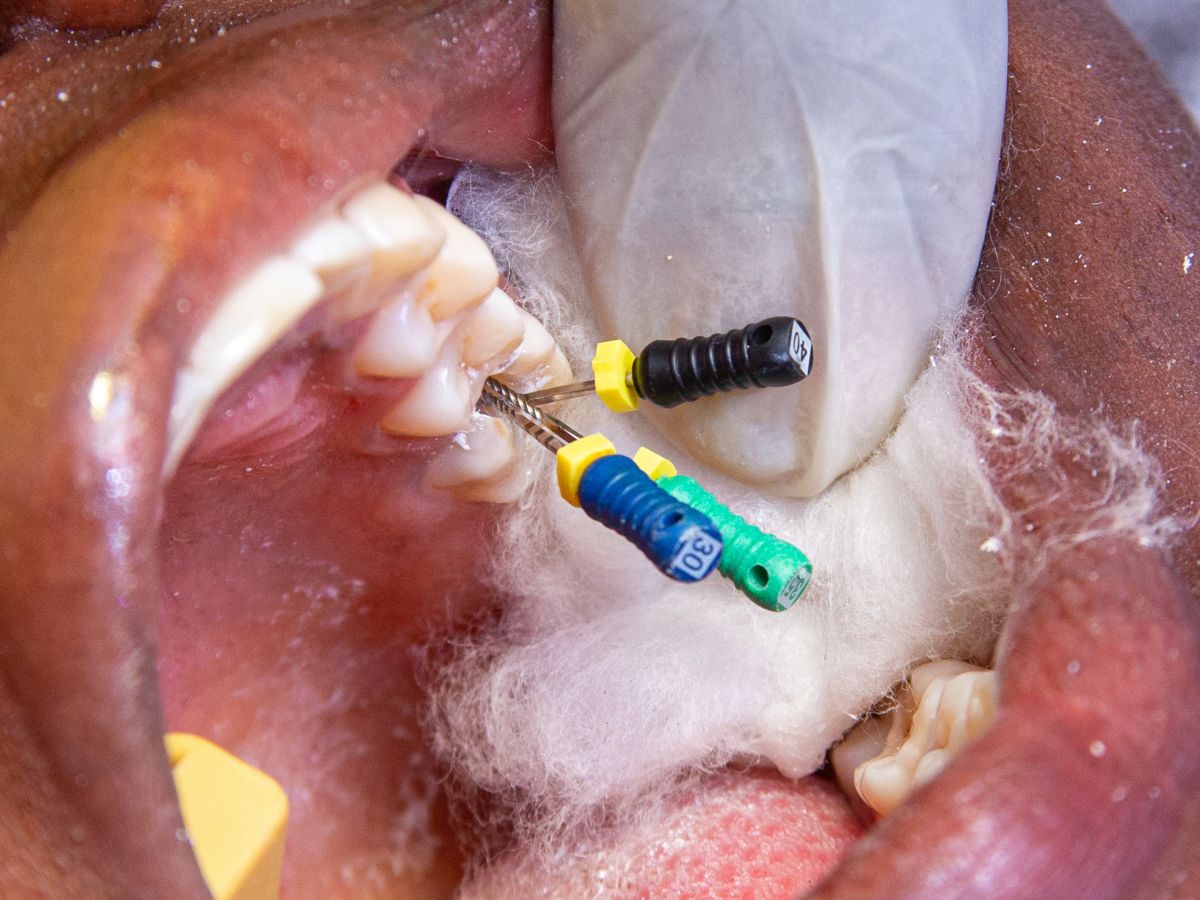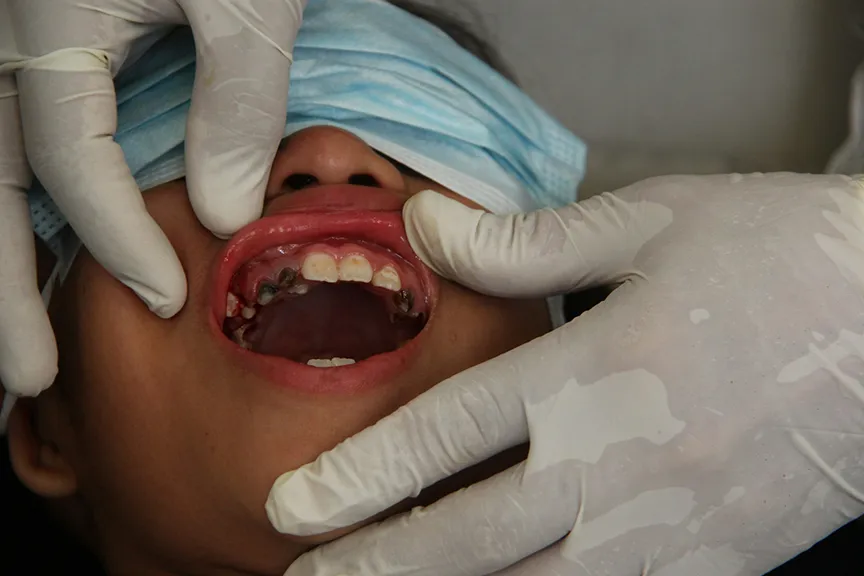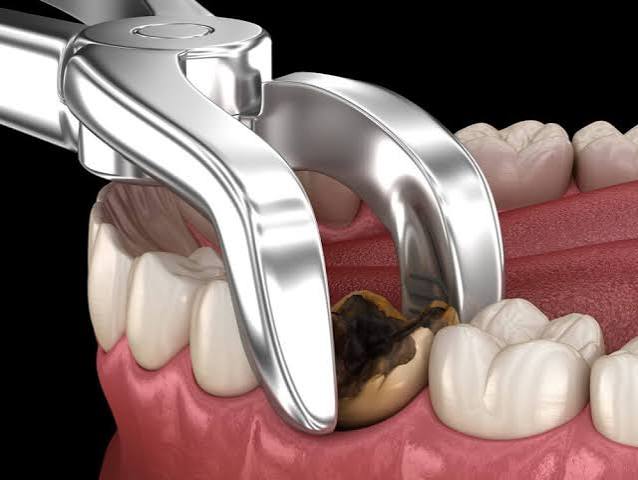
Tooth extraction is the most common surgical procedure in dentistry, and in Rwanda it is often the first dental treatment a person ever receives. That is worth thinking about. A 2023 scoping review of Rwandan studies found tooth decay in roughly 42 to 72 percent of the groups studied, and noted that treatment here is mostly extraction rather than fillings, root canal treatment or crowns.
Extraction is a good procedure when it is the right one. This guide covers when it is necessary, how to prepare, what recovery actually looks like day by day, and which pieces of common advice are worth ignoring.
When a tooth genuinely needs to come out
There are a small number of clear reasons:
- Decay so deep that too little tooth is left to restore
- A tooth broken below the gumline
- Severe gum disease that has loosened the tooth beyond saving
- An impacted wisdom tooth causing repeated infection, pressure, or damage to the tooth in front of it
- A baby tooth that will not come out and is blocking the adult tooth behind it
- Crowding that must be relieved before braces
Outside these situations, keeping your own tooth is almost always the better outcome. Nothing we can put in its place works as well as the tooth you were born with. Often a root canal treatment can save a tooth that seems beyond help.
Why so many teeth are removed in Rwanda
This is a system problem more than a clinical one. The WHO Regional Office for Africa reports only about 0.37 oral health professionals per 10,000 people across the African Region in 2022, far below what is needed. Many health centres can offer only basic care, with extraction as the main treatment available. Root canal treatment and crowns need equipment, materials, time and follow-up visits that are not available everywhere.
So people arrive in pain, late, with a tooth that could have been saved six months earlier, and removal becomes the only realistic option. Coming in early, before pain starts, is what changes that.
The real cost of waiting
Most people delay a dental visit because of what it might cost. The arithmetic usually runs the other way. A small filling is one short visit. The same tooth six months later may need root canal treatment, which is more visits and considerably more money. Six months after that it is an extraction and, eventually, a replacement, which is the most expensive path of all, and the tooth is gone for good.
Add the days of work missed to pain and the antibiotics bought along the way. Waiting is not the cheap option. It only looks like it in the first month.
Simple versus surgical extraction
| Simple extraction | Surgical extraction | |
|---|---|---|
| Used for | A tooth fully visible in the mouth | A broken, impacted or buried tooth, often a lower wisdom tooth |
| What happens | The tooth is loosened from the ligament holding it and lifted out | A small cut in the gum, sometimes removing a little bone or dividing the tooth into pieces |
| Anaesthetic | Local | Local, with extra sedation available in some cases |
| Stitches | Sometimes | Usually |
| Recovery | Most people feel close to normal within a few days | More swelling and stiffness; plan for two or three quiet days |
Both are routine day procedures. You go home the same day.
What to tell us before the procedure
Some things change how we plan your extraction. None of them stop you from having treatment. They just mean we adjust technique, timing or medicines. Please tell us if you:
- Take blood thinners or aspirin
- Have diabetes, high blood pressure, a heart valve condition, or are living with HIV
- Are pregnant or breastfeeding
- Take any other medicines or supplements, including anything from a traditional healer or bought at a pharmacy counter
- Have ever reacted badly to an anaesthetic or antibiotic
- Feel nervous about the procedure
Dental fear is extremely common, and it is one of the main reasons people arrive years late. Tell us at the start. We can explain each step before we do it, agree a hand signal so you can pause us at any moment, and take things in stages.
How to prepare the day before
- Eat a proper meal a few hours beforehand unless we tell you otherwise, because you will be on soft food for a while.
- Do not drink alcohol the night before, and do not smoke on the day.
- Arrange how you will get home. After a surgical extraction, a moto ride straight away is not a good idea.
- Bring your list of medicines and any previous X-rays.
- Buy your painkillers in advance so you are not looking for a pharmacy as the anaesthetic wears off.
What happens on the day
We take an X-ray if we do not already have a recent one, then numb the area with local anaesthetic. You will feel firm pressure and movement, but you should not feel sharp pain. If you do, raise your hand and we give more anaesthetic.
Once the tooth is out, we clean the socket, sometimes place a stitch, and ask you to bite on gauze. The whole visit usually takes 20 to 45 minutes.
The first 24 hours: protect the clot
Everything about early healing depends on the blood clot that forms in the socket. It is the base your body builds new gum and bone on. Protecting it is the whole job for the first day.
- Bite firmly on the gauze for 30 to 45 minutes without checking it. If bleeding continues, replace it with fresh gauze or a clean, damp cloth and bite for another 30 minutes.
- Do not rinse, spit, use a straw, smoke, or touch the socket with your tongue or fingers.
- Do not drink anything hot or alcoholic.
- Hold a cold compress against your cheek, 15 minutes on and 15 minutes off, to limit swelling.
- Sleep with your head slightly raised on an extra pillow.
What to eat, in practical terms
For the first two days, choose food that needs little or no chewing and is not hot. From about day three, move back towards normal food as comfort allows, still chewing on the other side.
| Good choices | Avoid for the first week |
|---|---|
| Porridge cooled to lukewarm, yoghurt, soft eggs | Brochettes, roasted maize, sugarcane, groundnuts |
| Mashed avocado, mashed beans, mashed pumpkin or sweet potato | Hard bread crust, crisps, anything crunchy |
| Soup that has cooled, blended fruit eaten with a spoon | Small seeds and grains that can lodge in the socket |
| Water and milk, sipped from a cup | Drinking through a straw, very hot drinks, alcohol |
Days two to seven
- Start gentle warm salt water rinses after meals and before bed: about half a teaspoon of salt in a glass of warm water. Let the water fall out of your mouth rather than spitting hard.
- Brush your other teeth normally. Keep the area around the socket clean, but do not scrub into it.
- Swelling usually peaks around day two or three, then improves. Mild bruising on the cheek or jaw can appear and is not a concern.
- By the end of the first week, most people feel close to normal.
The full healing timeline
It helps to know what is happening underneath, so you can tell normal healing from a problem.
| Time | What is happening | What you notice |
|---|---|---|
| First 24 hours | A blood clot forms in the socket | Some oozing, numbness wearing off |
| Days 2 to 3 | Inflammation peaks as healing starts | Swelling and stiffness at their worst, then easing |
| Days 3 to 7 | Gum starts closing over the socket; stitches loosen or dissolve | Pain improving each day |
| Weeks 2 to 3 | Gum has largely closed | The hole is smaller; it may still trap food |
| Months 2 to 3 | New bone fills the socket from the base upwards | Nothing, in most cases |
| Up to 6 months | Bone finishes remodelling | This is why implant planning sometimes waits |
Feeling fine after a week is normal. The site still being slightly tender or trapping food at three weeks is also normal. Pain that is getting worse is the exception to all of this.
Managing pain sensibly
Most pain after an extraction is well controlled by simple painkillers taken on schedule. Paracetamol, or ibuprofen where there is no medical reason to avoid it, works well for routine extractions and is often more effective for dental pain than stronger medicines.
Do not take more than the dose on the packet, and do not combine products that contain the same active ingredient. Children under 16 should not take aspirin.
About your stitches
Not every extraction needs stitches. When we place them, they are usually the dissolving kind and disappear within one to two weeks, sometimes coming away as a small thread. That is normal. If we use stitches that need removing, we will tell you and book a short visit.
Do not pull at a stitch. If one comes out in the first two days and the site starts bleeding again, bite on gauze and call us.
Do you actually need antibiotics?
Often not. A 2021 Cochrane review of 23 randomised trials found that antibiotics given around an extraction do reduce the risk of infection, mostly in healthy people having wisdom teeth removed. The benefit was small: about 12 people needed antibiotics to prevent one infection. The reviewers concluded that routine antibiotics are not justified for everyone, and that the decision should depend on the patient's health.
Antibiotics have real costs: side effects, and resistance that makes the same medicines less effective for everyone. If we prescribe them, there is a specific reason. If we do not, that is a considered decision, not an oversight.
Dry socket, and why smoking matters
Dry socket (alveolar osteitis) happens when the clot breaks down or is dislodged before the socket has healed, leaving bone exposed. It typically appears two to four days after the extraction as a deep, throbbing ache that spreads to the ear or jaw, often with a bad taste or smell. It is not usually an infection, and it is treated in one visit by cleaning the socket and placing a soothing dressing.
Smoking is the biggest risk you control. A 2022 systematic review found that smokers had more than three times the odds of dry socket, with about 13.2 percent of smokers affected compared with 3.8 percent of non-smokers. Both the suction of drawing on a cigarette and the chemicals in smoke work against the clot. Shisha has the same problem.
Diabetes, HIV, blood thinners and pregnancy
None of these prevent you from having a tooth removed. They change the preparation.
- Diabetes. Poorly controlled blood sugar slows healing and raises the risk of infection. Tell us how well controlled you are; we may book you in the morning after your normal meal and medicine.
- HIV. If you are on treatment with good control, extraction is routine. We simply need to know so we can plan.
- Blood thinners. These are usually not stopped, because the risk of stopping them is greater than the bleeding risk of an extraction. Tell us which one you take, and we coordinate with your doctor. Do not change the dose yourself.
- Pregnancy and breastfeeding. An untreated dental infection carries more risk to a pregnancy than a straightforward extraction. Where there is a choice, the second trimester is usually the most comfortable time. Urgent problems are treated whenever they happen. Local anaesthetic is used routinely, and X-rays are limited to what is needed. Telling us changes which painkillers and antibiotics we choose.
Wisdom teeth recover differently
If a lower wisdom tooth was removed surgically, expect a more noticeable recovery: swelling that peaks on day two or three, a stiff jaw that makes it hard to open wide for several days, and bruising along the jaw. All of these settle. Plan for two or three quieter days, and from about day three, gentle jaw-opening exercises help the stiffness ease faster.
The specific risk we check on your X-ray beforehand is how close the roots are to the nerve that supplies feeling to the lower lip and chin. If this applies to you, we will discuss it before treatment.
Going back to work, school and exercise
- Desk work or school: usually the next day after a simple extraction, or after two to three days following a surgical one.
- Heavy lifting and hard exercise: wait at least three to four days, longer after a surgical extraction. Raised blood pressure can restart bleeding.
- First couple of days: avoid swimming, strong sun, and long moto rides in dust.
- Talking all day: expect it to be uncomfortable rather than impossible.
Common beliefs about extraction, checked
- "Pulling a tooth damages your eyesight." Not true. Upper teeth are not connected to the optic nerve, and removing a tooth does not affect vision. The real, different risk is temporary numbness of the lip after some lower wisdom tooth surgery, which we assess beforehand.
- "Rinse hard with salt water straight away." Right ingredient, wrong timing. Vigorous rinsing on the first day is one of the most common ways people dislodge their own clot. Wait a full day, then rinse gently.
- "Herbs, ash or a hot compress speed up healing." Packing anything into a fresh socket introduces bacteria and can dislodge the clot. Heat in the first 24 hours increases swelling and bleeding. Use cold first, and warmth only later if the jaw feels stiff. If you are using a traditional remedy, tell us rather than hiding it.
- "Pulling one tooth loosens the others." Removing a tooth does not loosen its neighbours. Over months, though, they can tilt and drift into the gap. If your other teeth genuinely feel loose, the cause is usually gum disease, which needs its own treatment.
- "You can just buy antibiotics and skip the clinic." Antibiotics can dull a dental infection for a few days but cannot reach its source inside the tooth. The infection returns, usually worse.
- "Baby teeth don't matter, just pull them." Baby teeth hold space for the adult teeth and guide them into place. Losing one too early can cause crowding that later needs braces. Decayed baby teeth should be treated where possible.
- "All wisdom teeth have to come out." A wisdom tooth that has come through properly, works in your bite and can be cleaned does not need removing just for existing. Ask us what specifically is wrong with yours.
Ibyinyo: please never remove a baby's tooth buds
This practice, known across East Africa by names including ibyinyo or "false teeth", involves cutting out a baby's unerupted canine tooth buds with a sharp object to treat fever, vomiting or diarrhoea. It is documented in Rwanda and neighbouring countries.
It causes serious harm: heavy bleeding, anaemia, infection including tetanus and sepsis, spread of blood-borne infections, and permanent damage to the adult teeth developing underneath. A study of hospital admissions in northern Uganda found that children who had undergone the practice were among the ten most common admissions, with one of the highest death rates.
When to call us immediately
None of these are things to wait out, and most are simple to manage when we see them early. Call DentRW on +250 785 577 189. If swelling is making it hard to breathe or swallow, go to the nearest hospital emergency department.
What comes after the gap
Once a tooth is out, the bone that held it slowly shrinks, and the teeth around the gap begin to tilt and drift over the following months and years. A missing back tooth also shifts chewing force onto the teeth that remain.
Depending on which tooth was removed, your options include a bridge, a partial denture or a dental implant. Not everyone needs a replacement straight away, and front teeth are usually more urgent than some back ones, but it is worth discussing at your follow-up rather than years later.
The best extraction is the one you never need
Almost every tooth we remove could have been saved at some earlier point. Brush twice a day with fluoride toothpaste, clean between your teeth, keep sugary food and drinks to mealtimes, and come for a check-up twice a year even when nothing hurts. Our five daily habits explain how.
A check-up finds the problem while it is still a filling. Book a consultation and we will tell you honestly whether your tooth can still be saved.
Frequently asked questions
Does a tooth extraction hurt?
You should feel firm pressure and movement but not sharp pain, because the area is numbed with local anaesthetic. If you feel pain, raise your hand and more anaesthetic is given. Soreness afterwards is usually well controlled with simple painkillers.
How long does it take for the gum to heal?
Most people feel close to normal within a week. The gum largely closes in two to three weeks, and the bone underneath fills in over two to three months, with full remodelling taking up to six months.
When can I rinse with salt water?
Not on the first day. From the second day, rinse gently with about half a teaspoon of salt in a glass of warm water after meals and before bed, and let the water fall out rather than spitting hard.
How do I know if I have dry socket?
Dry socket usually shows up two to four days after the extraction as a deep, throbbing pain that gets worse instead of better, often spreading to the ear, sometimes with a bad taste or smell. Contact us. It is treated in one short visit.
Can I smoke after a tooth extraction?
Please do not, for at least 72 hours and longer if you can. Smokers have more than three times the odds of developing dry socket.
Do I need to replace an extracted tooth?
Not always, and not always straight away. It depends on which tooth it was and how it affects your bite. Options include a bridge, a partial denture or an implant. We discuss them at your follow-up.
Sources
- 1.Dental caries in Rwanda: A scoping review (opens in a new tab), Health Science Reports (2023)
- 2.Africa faces critical shortage of oral health workers amid rising disease burden (opens in a new tab), WHO Regional Office for Africa
- 3.Antibiotics to prevent complications following tooth extractions (opens in a new tab), Cochrane Database of Systematic Reviews (2021)
- 4.Smoking as a Risk Factor for Dry Socket: A Systematic Review (opens in a new tab), Dentistry Journal (2022)
- 5."Ebinyo": The Practice of Infant Oral Mutilation in Uganda (opens in a new tab), Frontiers in Public Health (2017)
- 6.Wisdom tooth removal (opens in a new tab), NHS
This article is for general information and does not replace advice from a dentist who knows your health history.