Root canal treatment has one of the worst reputations in dentistry, and one of the least deserved. A modern root canal is a routine procedure that saves teeth and relieves pain, often dramatically. The fear mostly comes from stories that are decades out of date.
Here are the most common myths we hear at DentRW, and what actually happens.
What is a root canal, and when do you need one?
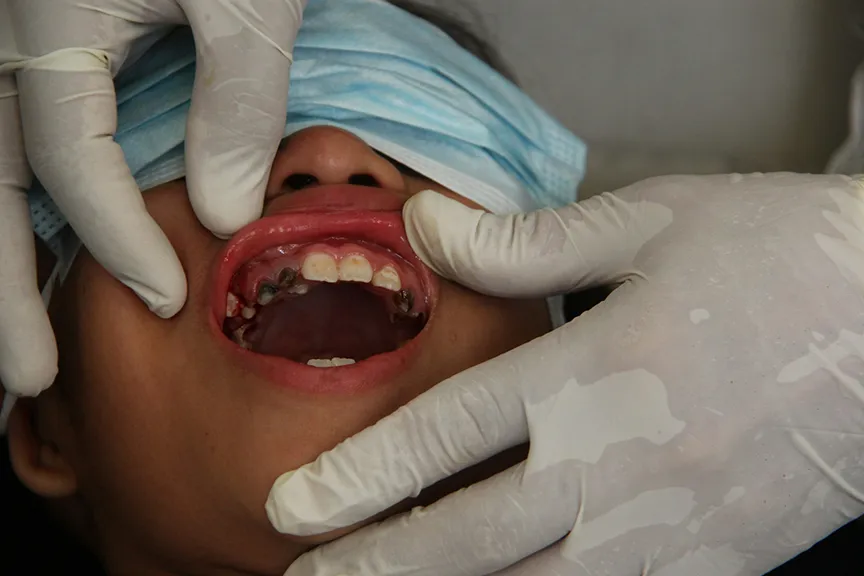
Inside every tooth is soft tissue called the pulp, which contains nerves and blood vessels. It can become inflamed or infected because of deep decay, a crack or chip, a knock to the tooth, or repeated treatment on the same tooth. Once the pulp is infected, it cannot heal on its own.
Signs that a tooth may need root canal treatment include:
- Toothache that throbs, wakes you at night or lasts after hot or cold food and drink
- Pain when you bite or press on the tooth
- A swelling or a small pimple-like bump on the gum near the tooth
- A tooth that has turned darker than its neighbours
- A bad taste in the mouth near one tooth
Sometimes an infected tooth causes no symptoms at all and is only found on an X-ray at a check-up. That is one more reason regular visits matter.
Myth 1: "Root canals are extremely painful"
This is the most common myth. The treatment is carried out under local anaesthetic, so you feel pressure and movement but not pain. Most patients tell us it felt much like having a filling. The pain people remember is usually the pain of the infection before treatment. Removing the infected tissue is what relieves it.
Mild soreness for a few days afterwards is normal and is usually well controlled with simple painkillers.
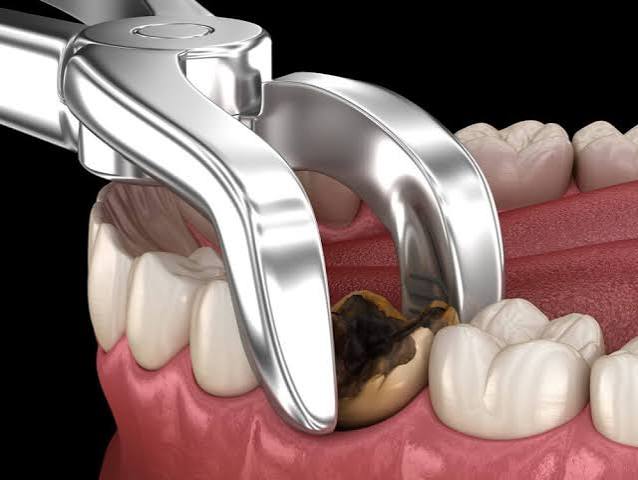
Myth 2: "It's better to just pull the tooth"
Extraction can look quicker and cheaper on the day. Over the following months and years it often turns out to be the more expensive choice. Once a tooth is removed, the bone that held it slowly shrinks, the neighbouring teeth tilt into the gap, and the opposite tooth drifts towards it. Replacing the tooth properly means an implant, a bridge or a denture.
| Root canal treatment | Extraction | |
|---|---|---|
| Your natural tooth | Kept, and keeps working for chewing | Lost permanently |
| Number of visits | Usually 1 to 2, sometimes more, plus a crown if needed | Usually 1 |
| Cost on the day | Higher | Lower |
| Cost over time | Usually lower, because there is no gap to replace | Often higher once you replace the missing tooth |
| Effect on other teeth | Bite and spacing stay the same | Neighbouring teeth can drift and tilt into the gap |
| When it is the right choice | The tooth has enough healthy structure to restore | The tooth is broken below the gum, very loose, or cannot be restored |
Extraction is sometimes the right answer, and we will tell you honestly when it is. Our guide to tooth extraction explains when removal makes sense and how to heal well afterwards.
Myth 3: "Root canal treatment makes you ill"
This idea comes from the "focal infection" theory of the early 1900s, which was based on poorly designed research and has not held up to modern study. There is no reliable evidence that a properly treated root canal causes disease elsewhere in the body.
What does carry real risk is leaving an infected tooth untreated. An abscess can spread into the face and neck, and in rare cases this becomes a medical emergency.
Myth 4: "Antibiotics can cure a tooth infection"
Antibiotics can reduce swelling for a few days, but they cannot reach the source of the infection inside the tooth in a useful amount. The pain and swelling return, often worse, once the course ends. Every unnecessary course also adds to antibiotic resistance, which makes infections harder to treat for everyone.
What actually happens during a root canal
At DentRW, root canal treatment usually follows these steps:
- Diagnosis. We examine the tooth and take a digital X-ray to see the roots and the bone around them.
- Numbing. Local anaesthetic is given so you do not feel pain during the treatment.
- Access. A small opening is made in the top of the tooth to reach the pulp.
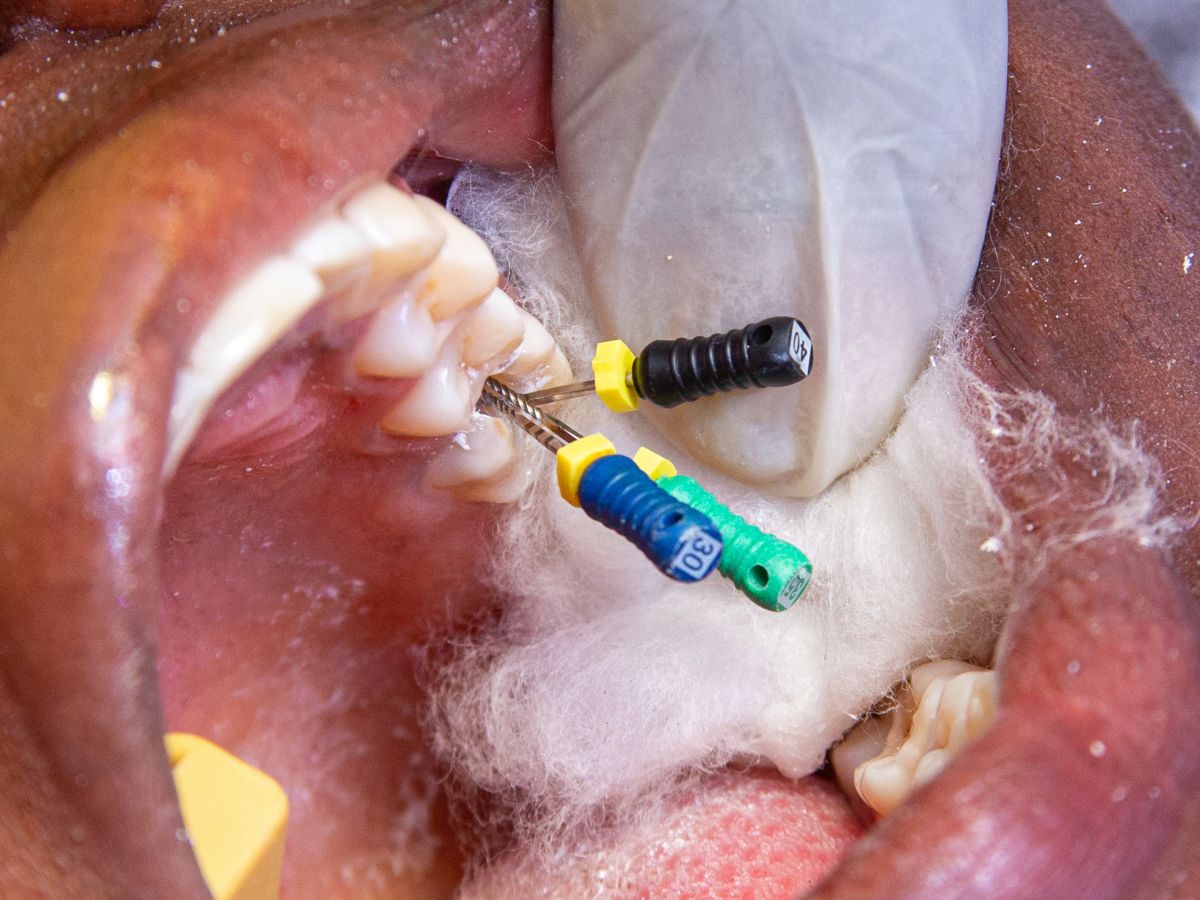
- Cleaning. The infected pulp is removed, and the canals are cleaned, shaped and disinfected. If there is an abscess, it is drained.
- Sealing. The canals are filled with a biocompatible material and the tooth is sealed. You may have a temporary filling between visits.
- Protecting. Back teeth, and badly damaged teeth, usually need a crown to protect them from cracking.
Each appointment usually takes 60 to 90 minutes. Most people go back to work or school the same day.
Recovery and aftercare
- Your lip and cheek may stay numb for a few hours. Avoid hot drinks and chewing until the numbness wears off, so you do not burn or bite yourself.
- Some tenderness when biting is normal for a few days. Simple painkillers such as paracetamol or ibuprofen usually control it. Follow the dose on the packet and ask a pharmacist if you are unsure which is safe for you.
- Avoid chewing hard food on the treated tooth until the permanent filling or crown is in place.
- Keep brushing and cleaning between your teeth as normal.
- Come to every follow-up appointment. A tooth left with only a temporary filling can become reinfected or crack.
How long does a root-treated tooth last?
With a good seal, a crown where one is needed, and a good daily routine, a root-treated tooth can last for many years and often for life. The biggest risks are a new cavity around the filling or crown and a crack in an unprotected back tooth. Both are preventable with good cleaning and regular check-ups.
If you have a painful tooth, the sooner we see it, the more likely we can save it. Book an appointment or read more about root canal therapy at DentRW.
Frequently asked questions
Does a root canal hurt?
The treatment is done under local anaesthetic, so you should feel pressure but not pain. If you feel anything sharp, tell your dentist and more anaesthetic can be given. Mild soreness for a few days afterwards is normal.
How many visits does a root canal take?
Usually one or two appointments of 60 to 90 minutes each, sometimes more for complicated teeth. A crown, if needed, is placed at a later visit.
Do I always need a crown after a root canal?
Not always. Front teeth with little damage can often be restored with a filling. Back teeth, which take most of the chewing force, usually need a crown to stop them cracking. Your dentist will explain which applies to your tooth.
Can I just take antibiotics instead?
No. Antibiotics cannot remove the infected tissue inside the tooth, so the infection returns once the course ends. The tooth needs root canal treatment or extraction.
Is a root canal cheaper than an extraction?
On the day, extraction usually costs less. Over time, replacing the missing tooth with an implant, bridge or denture often costs more than saving it. We always explain the costs of each option before any treatment starts.
Sources
- 1.Root canal treatment (opens in a new tab), NHS
- 2.Root canals (opens in a new tab), American Dental Association (MouthHealthy)
- 3.Dental abscess (opens in a new tab), NHS
This article is for general information and does not replace advice from a dentist who knows your health history.