
Tooth decay and gum disease are the two main reasons adults lose teeth, and both are largely preventable. The World Health Organization notes that untreated tooth decay in permanent teeth is the most common health condition in the world. Very little of that is bad luck. It comes from daily routines, repeated for years.
The good news is that the habits that protect your teeth take only a few minutes a day. Here are the five we recommend to every patient at DentRW, and how to do each one properly.
1. Brush properly, twice a day
Brush twice a day for about two minutes each time. One of those times should be last thing before you sleep, because saliva flow drops at night and plaque left on the teeth has hours to work.
- Use a toothbrush with a small head and soft or medium bristles. Manual and electric brushes work equally well if you clean every surface.
- Angle the bristles towards the gumline and use small, gentle circular movements. Scrubbing hard wears the enamel and pushes the gums back.
- Clean the outside, the inside and the chewing surface of every tooth. Work around the mouth in the same order each time so you do not skip any.
- Brush your tongue gently to remove bacteria that cause bad breath.
- Replace your brush every three months, or sooner if the bristles splay.
2. Use fluoride toothpaste, and spit, don't rinse
Fluoride strengthens enamel and helps reverse the earliest stage of decay. Check the tube: adults should use a toothpaste with at least 1,350 ppm fluoride. Children's amounts are different, and our guide to children's teeth covers them by age.
After brushing, spit out the excess toothpaste but do not rinse with water. Rinsing washes away the concentrated fluoride left on your teeth. If you use a mouthwash, use it at a different time of day, not straight after brushing.
3. Clean between your teeth once a day
A toothbrush cannot reach the tight spaces between teeth, and that is exactly where many cavities and most gum disease begin. Clean between your teeth once a day with dental floss, floss picks or small interdental brushes. Interdental brushes are often easier if you have gaps, gum recession or a bridge.
Your gums may bleed for the first few days. That is usually because they are already inflamed, and it should settle within one to two weeks of daily cleaning. Bleeding that continues after two weeks is a sign of gum disease and needs a dental check.
4. Watch how often you have sugar
Each time you have something sugary, the bacteria in plaque turn that sugar into acid, and your enamel is under attack for up to an hour afterwards. A sweet tea sipped slowly through the morning, a soda at your desk, or sweets between meals keeps your teeth under attack for hours.
You do not need to give up everything you enjoy. Keep sweet food and drinks to mealtimes, make water your default drink between meals, and choose snacks like groundnuts, eggs, plain yoghurt, fruit or vegetables. Our article on diet and dental health has practical swaps.
5. Have regular check-ups, even when nothing hurts
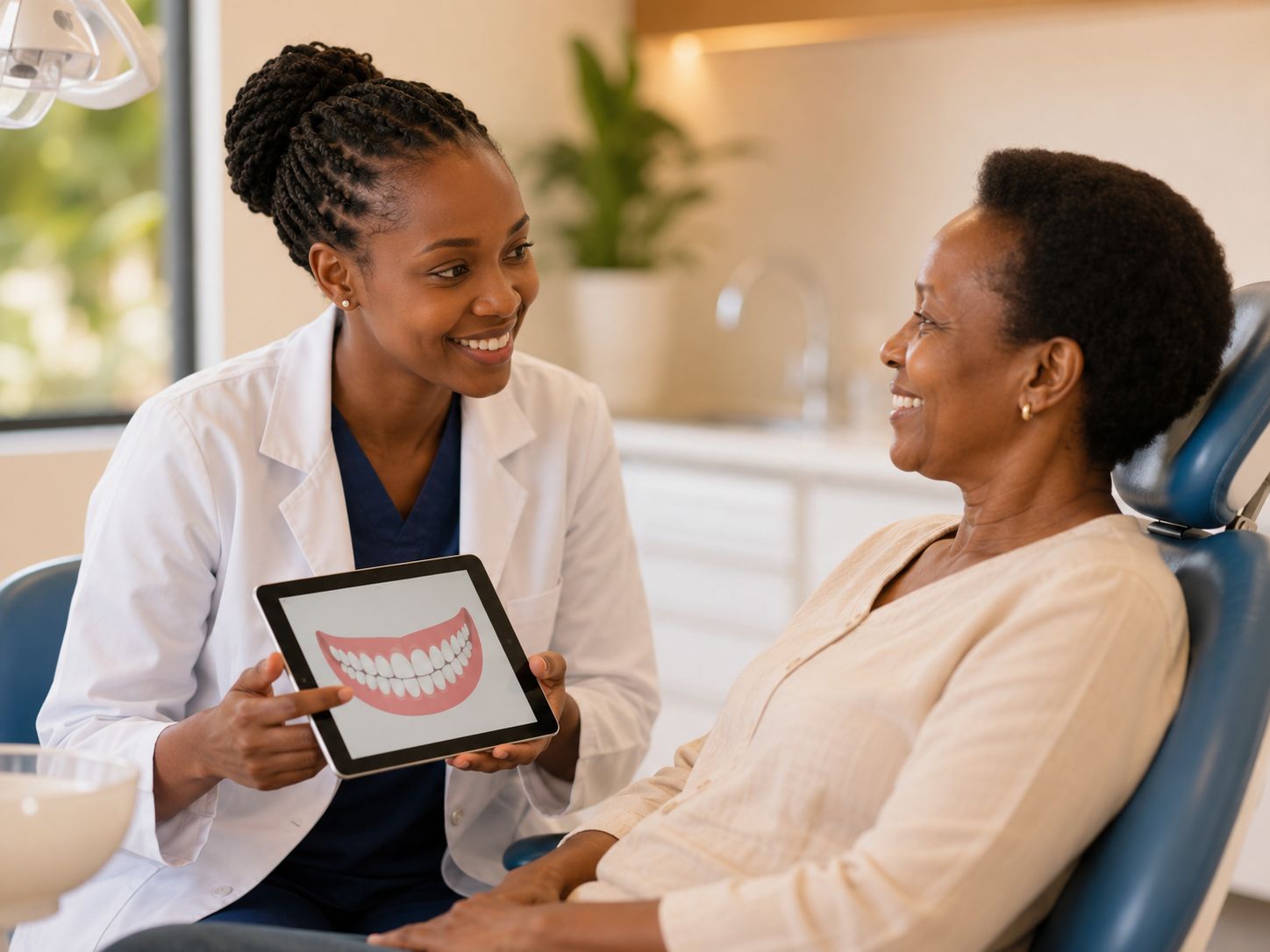
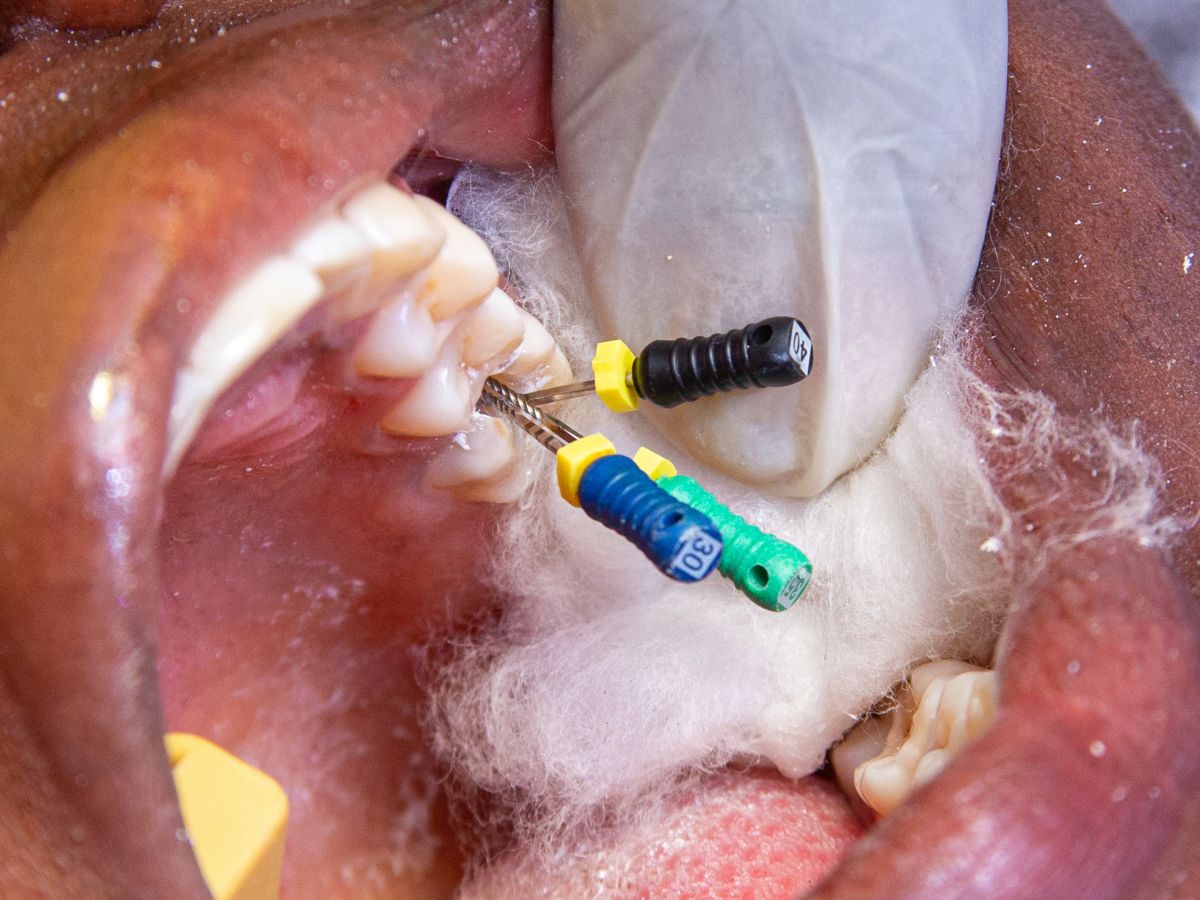
Early decay and early gum disease are usually painless. By the time a tooth hurts, the damage is often deep enough to need a root canal or an extraction instead of a small filling. A check-up and professional clean removes hardened tartar that brushing cannot shift, and finds problems while they are still small.
Most adults do well with a check-up every six months. Your dentist may suggest a shorter or longer interval depending on your risk of decay and gum disease. At DentRW, a routine visit includes a full examination, digital X-rays when they are needed, a professional clean, and a plain-language explanation of anything we find.
Your daily routine at a glance
| When | What to do | Why it matters |
|---|---|---|
| Morning | Brush for about 2 minutes with fluoride toothpaste. Spit, don't rinse. | Removes plaque that built up overnight |
| Between meals | Drink water. Keep sweet drinks and snacks to mealtimes. | Gives your enamel time to recover between acid attacks |
| Once a day | Clean between your teeth with floss or interdental brushes | Reaches the surfaces your toothbrush misses |
| Last thing at night | Brush for about 2 minutes. Nothing to eat or drink afterwards except water. | Protects teeth during the night, when saliva is lowest |
| Every 6 months | Check-up and professional clean, or as your dentist advises | Finds problems early, while they are cheaper and easier to fix |
Consistency beats perfection
Great oral health is not about a perfect routine once in a while. It is about a good routine every day. If it has been a while since your last visit, or you are not sure your technique is right, book a check-up and we will show you what to focus on for your own teeth.
Frequently asked questions
Is an electric toothbrush better than a manual one?
Both work well if you use them properly. What matters is cleaning every surface of every tooth for about two minutes with fluoride toothpaste. Some people find an electric brush makes that easier, especially if they have braces or limited hand movement.
Should I brush before or after breakfast?
Either is fine for most people. If you have something acidic, such as fruit juice or citrus fruit, wait about an hour before brushing, because enamel is briefly softer after acid. Brushing before breakfast avoids the wait.
My gums bleed when I floss. Should I stop?
No. Bleeding usually means the gums are already inflamed, and gentle daily cleaning is what calms them down. It should settle within one to two weeks. If it does not, book a check-up, because persistent bleeding is a sign of gum disease.
Do I need mouthwash?
Mouthwash is optional and does not replace brushing or cleaning between your teeth. If you like to use one, choose a fluoride mouthwash and use it at a different time from brushing, for example after lunch.
Sources
- 1.Oral health: fact sheet (opens in a new tab), World Health Organization
- 2.How to keep your teeth clean (opens in a new tab), NHS
- 3.Gum disease (opens in a new tab), NHS
- 4.Flossing (opens in a new tab), American Dental Association (MouthHealthy)
- 5.Dental checks: intervals between oral health reviews (CG19) (opens in a new tab), National Institute for Health and Care Excellence (2004)
This article is for general information and does not replace advice from a dentist who knows your health history.