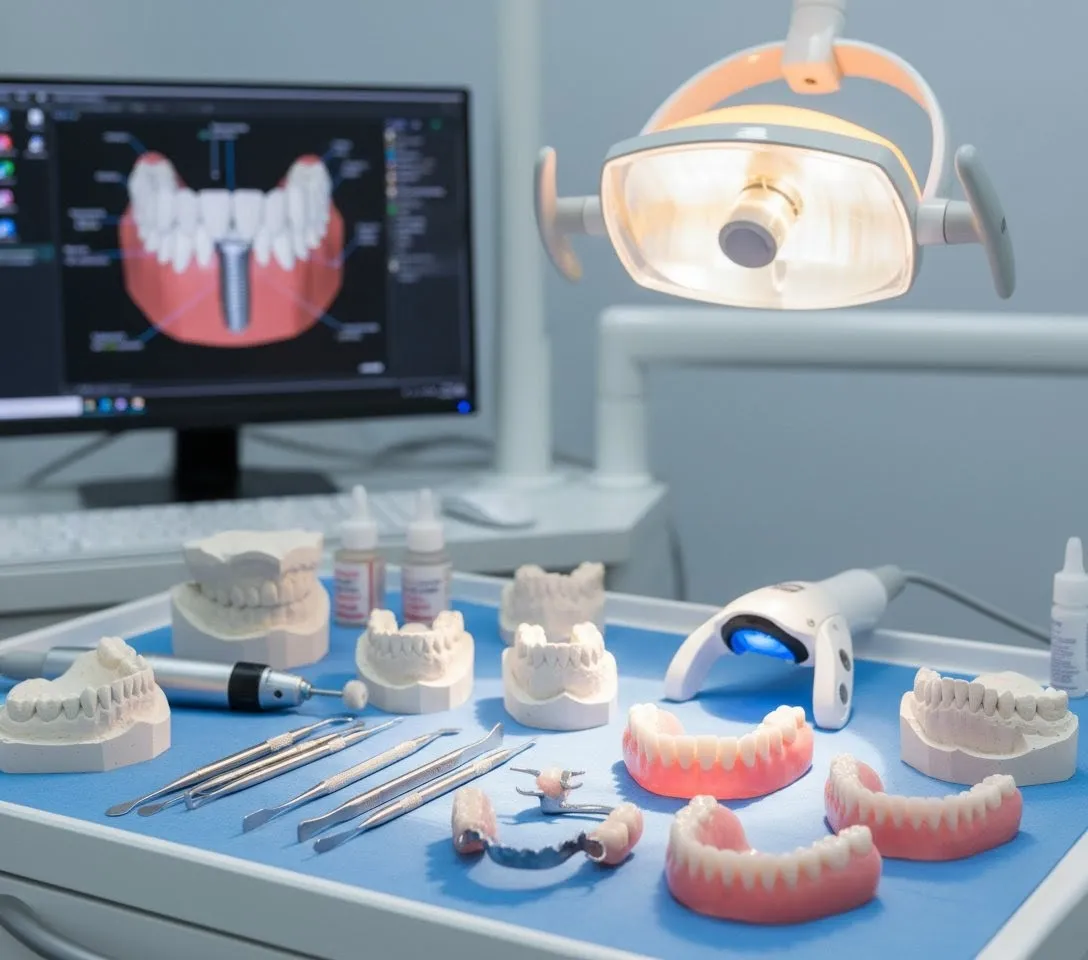
Crooked teeth, gaps or a bite that does not fit comfortably can affect more than the appearance of a smile. Depending on the cause and severity, these problems may make cleaning difficult, increase the risk of damage to prominent teeth, or interfere with biting and chewing. Orthodontics is the area of dentistry that assesses and treats the position of teeth and the relationship between the upper and lower jaws.
If you are considering braces in Rwanda, it is useful to understand what treatment can realistically achieve, how long it may take, what it costs, and what your health insurance may or may not pay for. This guide explains the main points to discuss with a qualified dental professional in Kigali or elsewhere in Rwanda.
What Is Orthodontics, and How Do Braces Work?
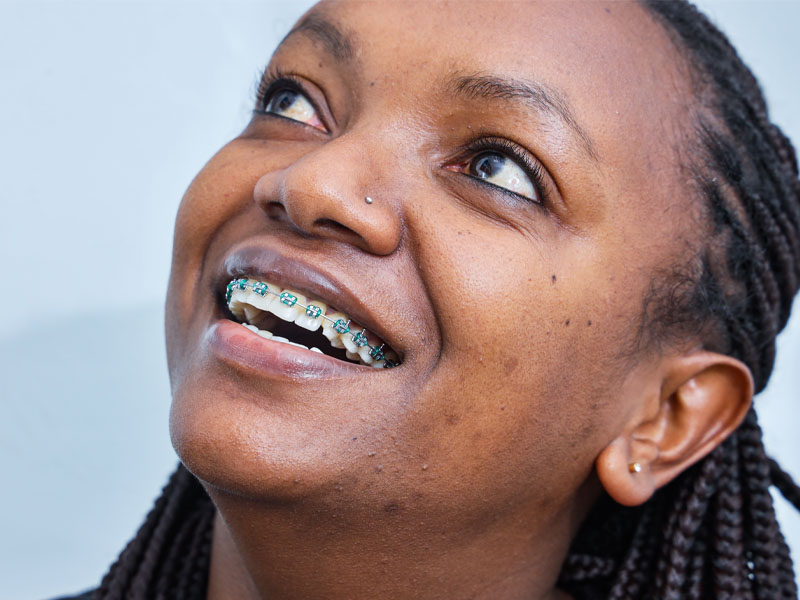
Orthodontics focuses on tooth alignment and bite relationships, also called occlusion. Braces use brackets, wires and, in some cases, elastic bands or additional appliances to apply controlled forces that gradually move teeth through the supporting bone. The clinician adjusts the treatment over time so teeth can move toward the planned positions.
Braces do not make every smile identical, and treatment is not automatically necessary just because a tooth is slightly out of line. A good plan considers dental health, chewing function, gum and bone support, facial growth where relevant, the patient's goals and the likely stability of the result.
When Might Someone Need Braces?
An orthodontic assessment may be helpful when the position of the teeth or jaws affects oral health, function, comfort or appearance. Common reasons include:
- Crowded teeth: there may not be enough space for teeth to line up, leaving them overlapping or twisted and harder to clean.
- Gaps or spacing: spaces between teeth may be caused by tooth-size differences, missing teeth, habits or the way the jaws and teeth developed.
- Overbite or prominent upper teeth: the upper front teeth sit far ahead of the lower front teeth, which can increase the chance of injury to those teeth.
- Underbite: the lower front teeth sit ahead of the upper front teeth. The cause may involve tooth position, jaw position or both.
- Crossbite: one or more upper teeth bite inside the lower teeth, sometimes creating uneven tooth wear or a functional shift of the jaw.
- Open bite or deep bite: the front teeth do not meet when the back teeth touch, or the upper front teeth overlap the lower teeth excessively.
- Teeth that are impacted or erupting in an unusual position: treatment may involve coordinated planning with other dental professionals.
- Some bite or alignment problems that contribute to difficulty biting, chewing, cleaning or protecting vulnerable teeth.
These examples do not mean that every case requires braces. Some problems are mild, some need monitoring, and others may be better managed with a different dental treatment. An orthodontic consultation helps distinguish a cosmetic concern from a problem where treatment may protect function or dental health.
What Is the Best Age to Get Braces?
There is no single best age for every patient. The American Association of Orthodontists recommends an initial orthodontic check-up by age 7 so a clinician can identify developing problems; this is an assessment age, not a recommendation to put every child in braces at 7. Some children benefit from early, targeted treatment, while others are monitored until more permanent teeth have erupted.
For comprehensive fixed braces, many patients begin in the early teenage years, often around ages 11–14, when most permanent teeth are present. Age 14 can be a suitable time for many teenagers, but it is not a universal scientifically proven 'best age'. Timing depends on the teeth that have erupted, the type and severity of the bite problem, jaw growth, oral health and the patient's ability to care for the appliance and attend visits. For treatments intended to influence jaw growth, clinicians may consider skeletal maturity and the pubertal growth spurt rather than calendar age alone. A review of studies on orthodontic treatment timing found that early treatment is not generally better for every problem; early intervention is best reserved for selected conditions where it offers a specific benefit.
Adults can also have orthodontic treatment. Healthy teeth can move at adult ages, although jaw growth can no longer be used in the same way as it can in a growing child. Significant jaw-size differences in adults may sometimes require a combination of orthodontics and jaw surgery rather than braces alone.
Before starting treatment at any age, the teeth and gums should be healthy enough to support it. Cavities, gum disease and other active problems may need to be treated first.
Types of Braces and Orthodontic Appliances
The best appliance depends on the bite problem, the movements required, dental health, the patient's ability to follow instructions and the budget. Availability can vary by clinic in Rwanda, so ask which options are offered and whether they are suitable for your specific case.
| Option | What it is | Important considerations |
|---|---|---|
| Metal fixed braces | Metal brackets attached to teeth and connected by an archwire. | A widely used option for many types of tooth movement. They remain in place throughout treatment and require careful cleaning and food choices. |
| Ceramic braces | Fixed braces with tooth-coloured or less noticeable brackets. | They are less conspicuous than metal brackets, but may cost more and can be more prone to staining or breakage depending on the materials and habits. |
| Self-ligating braces | Fixed brackets that hold the wire with a built-in clip rather than conventional elastic ties. | They are a design variation, not a guarantee of faster treatment or better final results. Suitability depends on the case and clinician's plan. |
| Clear aligners | A series of transparent, removable trays that move teeth in stages. | They must usually be worn for the prescribed number of hours each day and removed for eating and cleaning. They are not suitable for every complex bite problem. |
| Lingual braces | Fixed braces attached to the tongue-facing surfaces of the teeth. | They are less visible from the front but can be more difficult to clean and may affect the tongue or speech at first. Availability and cost vary. |
| Removable or growth-guiding appliances | Devices used for selected tooth or jaw-development problems, often in growing children. | They are prescribed for particular indications and are not a substitute for fixed braces in every case. |
Do not choose an appliance on appearance or price alone. Ask how well it can address your diagnosis, what the responsibilities are at home, and what the plan would be if the teeth do not move as expected.
What Happens Before Braces Are Fitted?
A proper consultation is more than a quick look at the front teeth. Depending on the case, assessment may include a medical and dental history, examination of the teeth and gums, bite assessment, photographs, dental X-rays and scans or impressions. X-rays should be selected when they are clinically justified and useful for treatment planning.
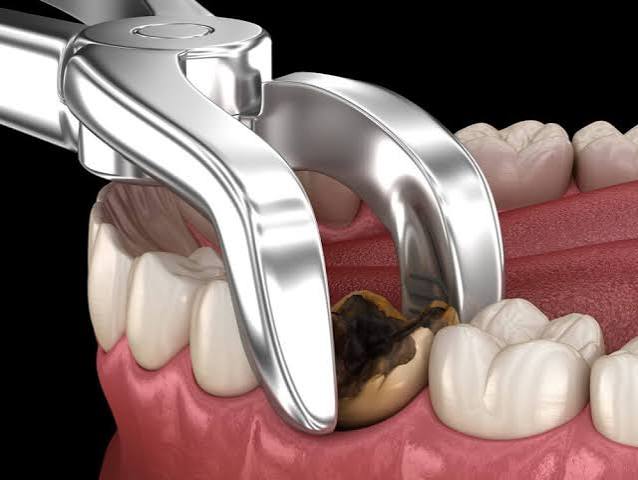
The clinician may discuss the expected result, alternative treatments, estimated duration, likely appointments, fees and possible risks. Some patients need fillings, professional cleaning, gum treatment or removal of a tooth before orthodontics can start. Extractions are not needed in every case; that decision depends on space, tooth positions, facial profile, bite and the overall treatment plan.
Ask for a written treatment plan and cost estimate before agreeing to treatment. Make sure you understand what is included, what may cost extra and what to do if you move, miss appointments or want to transfer to another provider.
How Long Does Braces Treatment Take?
Many fixed-brace treatments take roughly 12–24 months, but this is only a general guide. Some limited corrections take less time, while complex crowding, bite correction, impacted teeth, jaw discrepancies or interrupted treatment can take longer. A clinician should provide an estimate after examining the case, then revise it if the response to treatment requires a change in plan.
Appointments are commonly scheduled every few weeks to check progress and make adjustments, with the exact interval depending on the appliance and stage of treatment. These visits are important: braces are not a fit-and-forget procedure.
Does Getting Braces Hurt?
Having brackets attached is usually not painful in itself, but teeth can feel tender or achy for a few days after fitting and after some adjustments. The cheeks and lips may also need time to get used to the appliance. Soft foods, cool drinks and orthodontic wax for rubbing brackets may help. Ask your dentist or orthodontic clinician which pain-relief option is appropriate for you, especially for a child, pregnancy, allergies or other medical conditions.
Discomfort should generally settle rather than become progressively worse. Contact the clinic if pain is severe, persists beyond the expected adjustment period, or comes with marked swelling, fever or other concerning symptoms.
How to Care for Teeth While Wearing Braces
Brackets and wires create extra places for food and plaque to collect. If plaque is not removed carefully, the gums may become inflamed and white decalcified marks or cavities can develop around brackets. Maintaining a consistent routine is one of the most important ways to protect the final result.
- Brush thoroughly at least twice a day with fluoride toothpaste, and follow your clinician's advice about cleaning after meals.
- Use an interdental brush or other recommended cleaning aid to reach around brackets and under the wire. Clean between teeth every day using a suitable method.
- Limit frequent sugary snacks and drinks. Water is a good everyday drink; avoid sipping sweet or acidic drinks throughout the day.
- Choose softer foods when teeth are tender. Avoid biting directly into very hard foods and avoid sticky foods that can bend wires or loosen brackets. Cut firm foods into smaller pieces.
- Continue regular dental check-ups and professional cleaning as advised. Orthodontic visits do not replace routine dental care.
- If a bracket or wire becomes loose, contact the clinic for advice instead of trying to glue, cut or bend the appliance yourself.
Possible Risks and Complications
Orthodontic treatment is commonly completed successfully, but it is not risk-free. Your clinician should explain the risks relevant to your teeth, gum health and proposed movements before treatment begins.
- Temporary tenderness, pressure or irritation of the cheeks, lips and tongue.
- Gum inflammation and plaque build-up if cleaning is inadequate.
- Tooth decay or permanent white marks on the enamel around brackets if plaque and sugar exposure are not controlled.
- Some shortening of tooth roots, called root resorption, can occur during tooth movement. The extent and significance vary, and the risk should be considered during planning and monitoring.
- Gum recession or other periodontal problems may be more likely in people with existing gum disease or particular tissue and tooth-position factors.
- Broken brackets, bent wires or lost aligners can interrupt treatment and may cause discomfort.
- Relapse: teeth can move after treatment, particularly if retainers are not worn as advised.
Seek prompt dental advice if a wire is embedded in the cheek or gum, a tooth is injured, pain is severe or worsening, or you develop significant swelling or fever. If a wire is simply rubbing, orthodontic wax may protect the area temporarily while you arrange advice.
What Is the Prognosis? Will Braces Work?
For a suitable case, orthodontic treatment can substantially improve alignment and the way the teeth meet. However, no responsible clinician can promise a perfect or permanent result before examining the patient. The likely outcome depends on the original problem, tooth and gum health, bone support, jaw relationship, biological response and the treatment method selected.
The chance of reaching the agreed goal is generally better when patients attend scheduled visits, use elastics or aligners exactly as prescribed, keep their teeth clean and report problems early. Repeatedly missed visits, broken appliances, poor plaque control or not wearing removable appliances can extend treatment or compromise the result.
Some severe differences in jaw size or position cannot be fully corrected by moving teeth alone, especially after growth has finished. A plan may involve specialist orthodontic care and, in selected cases, consultation with an oral and maxillofacial surgeon. The aim is to agree on a realistic plan that balances function, appearance, risks, cost and the patient's priorities.
There is no single success percentage that accurately predicts the result for every person. Ask your clinician which improvements are realistic in your case, what limitations remain, and how the result will be maintained after braces are removed.
Why Retainers Matter After Braces
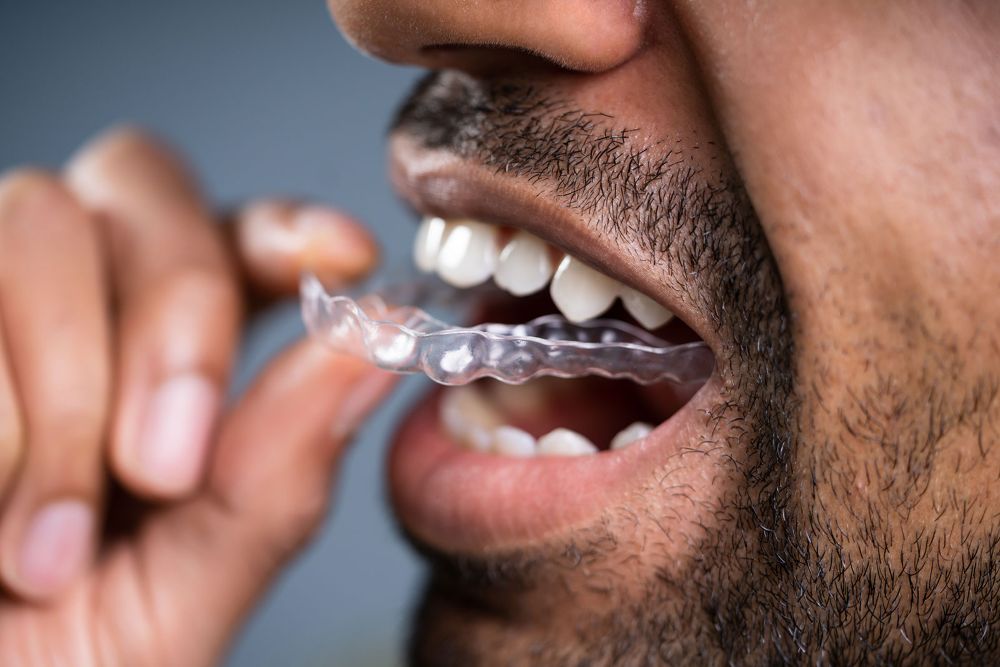
Removing braces is not the end of orthodontic treatment. Teeth have a natural tendency to shift over time, and the tissues around them need time to adapt to their new positions. Retainers help maintain the result. They may be removable, fixed behind the teeth, or used in combination, depending on the case.
Wear your retainer exactly as instructed and attend any recommended review appointments. A removable retainer that becomes tight, cracked or lost should be discussed with the clinic promptly. Do not assume that a few months of wear means the teeth can never move again; many people need long-term retention to protect their result.
How Much Do Braces Cost in Rwanda?
The MOH's revised health-service tariff was announced as effective from 1 July 2025. A fixed orthodontic appliance per arch is listed from RWF 489,054 to RWF 511,506 (rounded to the nearest franc). The orthodontic wire adjustment per arch at RWF 32,632 to RWF 35,376, respectively. These are tariff line items; not a promise that the entire course of braces will cost only the appliance fee and adjustment fee. The total cost of treatment depends on the case, the number of visits, any additional dental work required, and the clinic's billing practices.
Because the appliance tariff is stated per arch, treatment for both upper and lower arches may involve a charge for each arch. At the listed rates, the appliance line alone would be approximately RWF 978,107 to RWF 1,023,013 if both arches are charged separately at those rates. Confirm the applicable facility category and billing basis with the provider, and ask whether diagnostic records, separate adjustment visits, repairs, extractions, other dental work and retainers are charged separately.
Tariffs and insurance rules revised reguraly. Use these MOH tariff figures as a reference point, then ask the clinic for a current written, itemised estimate before committing to treatment.
- Initial consultation and diagnostic records, such as photographs, X-rays, scans or impressions.
- The appliance and fitting appointment, including whether upper and lower teeth are both included.
- Adjustment appointments, replacement parts, emergency visits and repairs.
- Any required fillings, gum treatment, cleaning, extractions or other dental procedures.
- Removal of the braces and retainers, including the cost of replacement retainers if needed.
- Payment schedules, instalment options, cancellation terms and what happens if you transfer care to another clinic.
If affordability is a concern, discuss the full treatment plan and any available payment arrangements before starting. Choosing a very low initial price without understanding follow-up and retention costs can make budgeting difficult later.
Do Health Insurance or Mutuelle Cover Braces in Rwanda?
Insurance is one of the most important questions to settle before committing to orthodontic treatment. General dental coverage does not automatically mean that braces, aligners, adjustments and retainers are all paid for. In Rwanda, the answer depends on the scheme and the required approval process.
For RAMA/RSSB members, orthodontic treatment can be covered when the service is eligible and the scheme's approval requirements are met. RSSB's published information says it pays 85% of eligible medical services, while members pay the remaining 15%. RSSB's service-delivery guidance specifically directs members who need dental braces to meet an RSSB medical advisor for approval. Do not assume that a routine dental referral or a clinic estimate is a substitute for the required approval.
MMI also cover orthodontic braces for eligible and approved cases with age not exceeding adult age, and CBHI/Mutuelle de Santé does not cover braces. CBHI membership should therefore not be budgeted as payment for orthodontic treatment.
Other private health insurance policies can differ. Do not assume that another private insurer covers orthodontics unless the insurer confirms the exact service, amount or limit, and any pre-authorisation conditions in writing.
Common Myths About Braces
- Myth: Braces are only for children. Fact: Adults can have orthodontic treatment if their teeth and gums are healthy enough, though some jaw problems need a more complex plan.
- Myth: Clear aligners always work faster than metal braces. Fact: Treatment time depends on the case, appliance, biological response and how consistently instructions are followed.
- Myth: Braces are purely cosmetic. Fact: They can improve tooth alignment and bite relationships, and may help address some functional or dental-health concerns. The benefits depend on the diagnosis.
- Myth: Once braces come off, teeth stay straight permanently without any further care. Fact: Teeth can move again, so retainers are important.
- Myth: Every crooked tooth needs treatment. Fact: Some alignment differences are mild and do not need braces. A clinical assessment helps weigh benefits, risks and cost.
Orthodontic Consultation at DentRW in Kigali
If you are considering braces or clear aligners, an orthodontic consultation can help you understand the cause of your alignment or bite concern, which options may be suitable, how long treatment may take and what the likely costs are. Bring your insurance card, identification and any recent dental records or X-rays you have. The team can then advise on what further assessment is needed and help check the applicable insurance arrangements.
DentRW is located in Kicukiro, Kigali. To discuss braces, book an appointment online or call +250 785 577 189.
Frequently asked questions
How do I know if I need braces?
An orthodontic assessment may be helpful if you have crowded or spaced teeth, a prominent overbite, underbite, crossbite, open bite, difficulty biting, or teeth that are hard to clean because of their position. Not every alignment concern needs treatment, so a dentist or orthodontic clinician should assess the bite and dental health before recommending braces.
What is the best age to get braces?
There is no single best age. The American Association of Orthodontists recommends an initial check-up by age 7, but that does not mean braces should begin at 7. Many patients start comprehensive fixed braces in the early teenage years, often around 11–14 after most permanent teeth have erupted. Age 14 can be appropriate for some patients, but the right timing depends on the bite problem, tooth development, jaw growth and oral health.
Can adults get braces in Rwanda?
Yes. Adults can benefit from orthodontics when their teeth and gums are healthy enough. Treatment planning may be different from treatment in a growing child, and significant jaw discrepancies may require specialist assessment or a combined orthodontic and surgical approach.
How long do braces usually take?
Many fixed-brace treatments take roughly 12–24 months, but simple cases may take less time and complex cases may take longer. The estimate depends on the bite problem, tooth movement required, attendance, appliance breakages and how consistently instructions are followed.
How much do braces cost in Rwanda?
The Ministry of Health tariff spreadsheet supplied for this article lists a fixed orthodontic appliance per arch at RWF 489,054 in a general clinic, RWF 499,043 in a polyclinic and RWF 511,506 in a hospital. Orthodontic wire adjustment per arch is listed at RWF 32,632, RWF 33,855 and RWF 35,376 respectively. These are tariff line items, not necessarily the full course total. Ask for a current itemised estimate covering both arches if applicable, adjustments, diagnostics, other dental care and retainers.
Will private insurance pay for orthodontics?
It depends on the exact policy. Some plans exclude orthodontics; others may provide a limited benefit for certain ages or dependants, with waiting periods, maximums or pre-authorisation. Ask your insurer to confirm the orthodontic benefit and your estimated out-of-pocket costs in writing.
Are clear aligners better than metal braces?
Neither option is best for everyone. Clear aligners are removable and less noticeable, but they need consistent wear and are not suitable for every bite problem. Metal braces can treat many types of tooth movement. Your clinician should recommend an option based on the diagnosis, goals and ability to follow the plan.
Do teeth need to be extracted before braces?
Not always. Some treatment plans need extractions to create space, while many do not. The decision depends on crowding, tooth positions, facial profile, bite and the overall plan. Ask your clinician to explain the reason for any recommended extraction and discuss alternatives where appropriate.
How should I clean my teeth with braces?
Brush thoroughly at least twice daily with fluoride toothpaste, clean around brackets and under wires with a suitable interdental brush, and clean between teeth every day. Limit frequent sugary snacks and drinks, keep routine dental visits and follow the cleaning advice provided by your clinician.
What should I do if a bracket or wire breaks?
Contact your orthodontic clinic for advice and arrange a repair if needed. Do not glue a bracket back on or make major wire adjustments yourself. If a wire rubs, orthodontic wax may help temporarily. Seek prompt assessment for severe pain, injury, significant swelling or fever.
Will my teeth stay straight after braces are removed?
Teeth can shift after treatment. Retainers help maintain the result and should be worn exactly as prescribed. Many people need long-term retention, so ask about the retainer type, wear schedule, reviews and replacement costs before treatment finishes.
Are braces guaranteed to give a perfect result?
No. Outcomes depend on the original bite problem, oral health, biological response, attendance and following instructions. Some jaw discrepancies cannot be completely corrected by braces alone. Your clinician should explain realistic goals, limitations, risks and the plan for retaining the result.
Sources
- 1.Orthodontics (opens in a new tab), National Health Service (NHS)
- 2.Braces (opens in a new tab), National Health Service (NHS)
- 3.How Do Braces Work? (opens in a new tab), American Association of Orthodontists
- 4.What Are the Benefits of Early Orthodontic Treatment? (opens in a new tab), American Association of Orthodontists (2026)
- 5.Optimal Treatment Timing in Orthodontics: A Scoping Review (opens in a new tab), PubMed (2023)
- 6.Ministerial Instruction No. 20/0001 of 23/06/2025 Determining the Tariff of Health Services (opens in a new tab), Rwanda Ministry of Health (2025)
- 7.Letter Forwarding Revised Tariffs Effective 1 July 2025 (opens in a new tab), Rwanda Ministry of Health (2025)
- 8.RSSB Announcements & Publications (includes the member service guide) (opens in a new tab), Rwanda Social Security Board (RSSB) (2026)
- 9.RSSB Medical Scheme (opens in a new tab), Rwanda Social Security Board (RSSB)
- 10.Community Based Health Insurance (CBHI / Mutuelle de Santé) (opens in a new tab), Rwanda Social Security Board (RSSB)
- 11.Private Health Facilities in Rwanda: Health Service Packages (opens in a new tab), Rwanda Ministry of Health
- 12.DentRW Patient Resources and Insurance Information (opens in a new tab), DentRW
This article is for general information and does not replace advice from a dentist who knows your health history.